The Wandering Scholars
In this lesson
- A small ritual to beginHow to read this: a candle, old songs, a pen.
- History: the ones who walkedEnrollment was a journey. You did not apply.
- Music: the songbook in the abbeyThe rowdiest manuscript in Bavaria.
- Literature: the ArchpoetThe anthem of every student generation since.
- Philosophy: Sic et NonOne hundred and fifty-eight questions, no answers.
- Art: a lecture, 1350sFind the sleeping student.
- Language: five small things to keepUniversitas, trivium, and why trivial isn't.
- History: Abelard and HeloiseThe rest of the story hurts.
- Remember What You've LearnedOne candle, no grade, and the letters at the tomb.
Read one part at a time. Press Next when you are ready.
The road to Paris, around the year 1100.
A young man walks it with everything he owns on his back. He was supposed to be a knight. He is the eldest son of a Breton lord: there was land waiting for him, and a horse, and a sword, and the small safe life of a man with property. He gave all of it to his younger brothers.
He would rather argue.
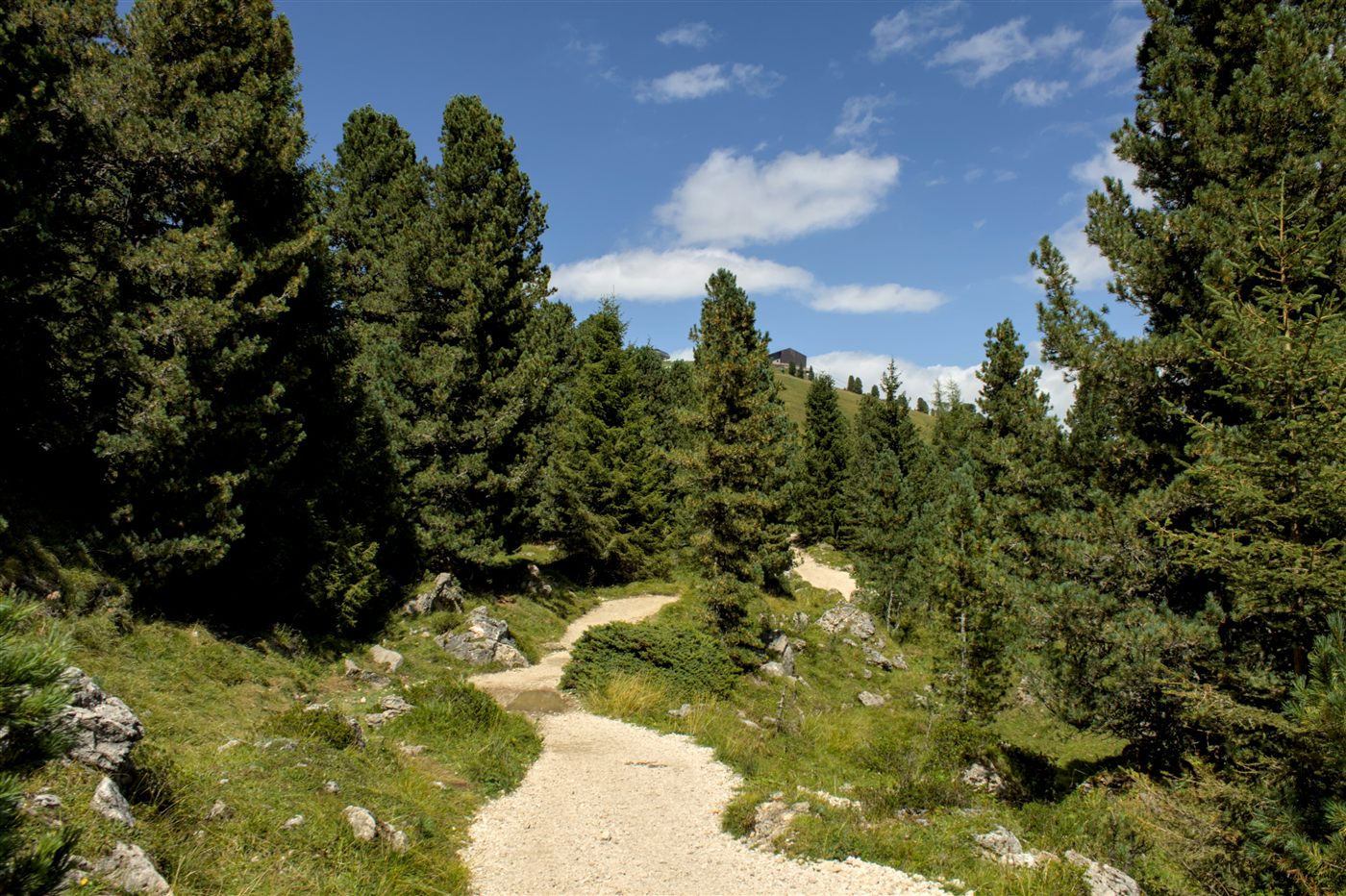
A small ritual to begin
Set the scene. Candle, tea, the phone in another room. Print the PDF if you can, and bring a real pen; the margins are yours to talk in.
Put on the music. Tonight's songs are eight hundred years old, and students wrote them: the playlist. Start it quiet. One track we are saving for later; you will know it when it arrives.
Copy what stops you. Somewhere in this lesson is a line you will want to keep. When you meet it, write it out by hand in your commonplace book. Handwriting is how a line becomes yours.
The slowness is not in the way; the slowness is the point.
What is in the kit
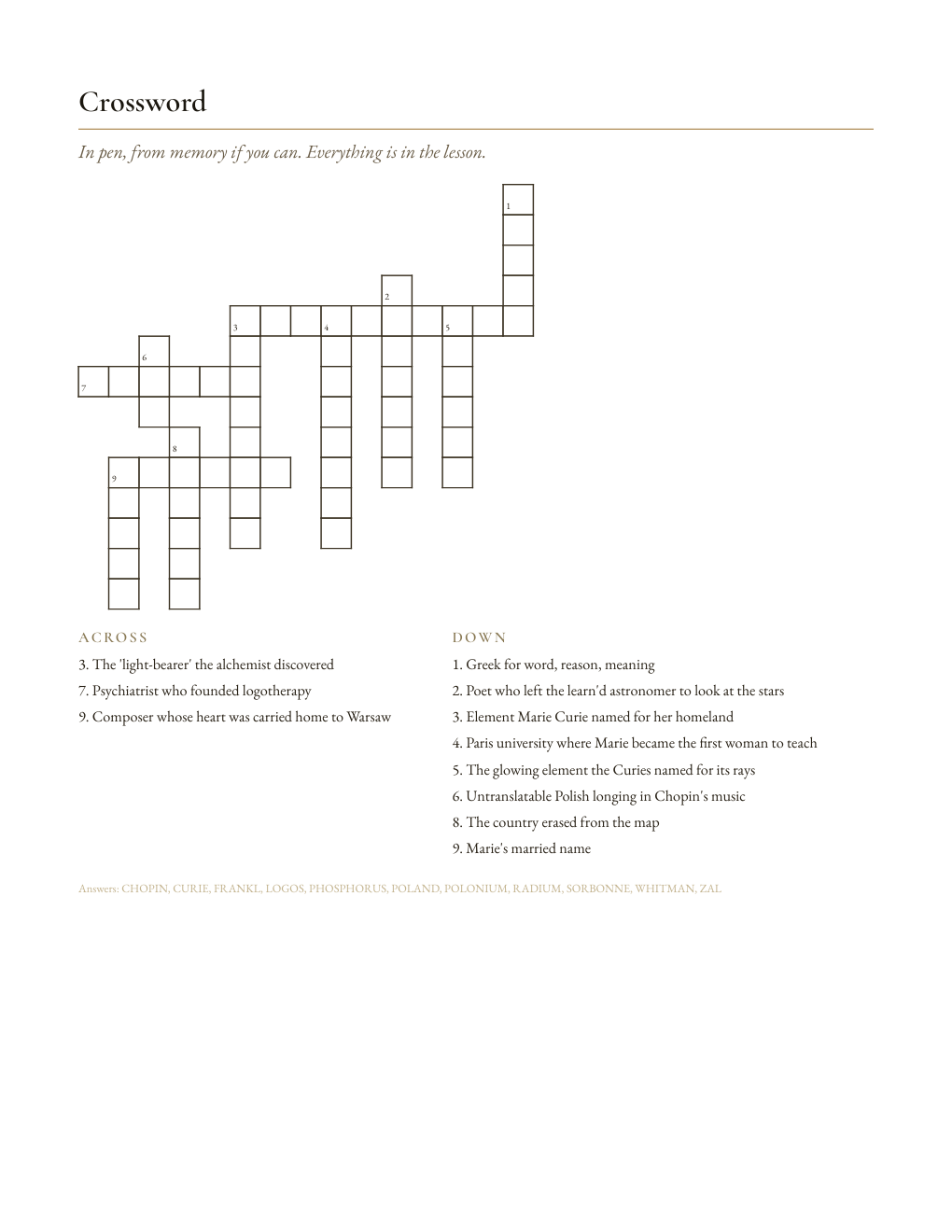
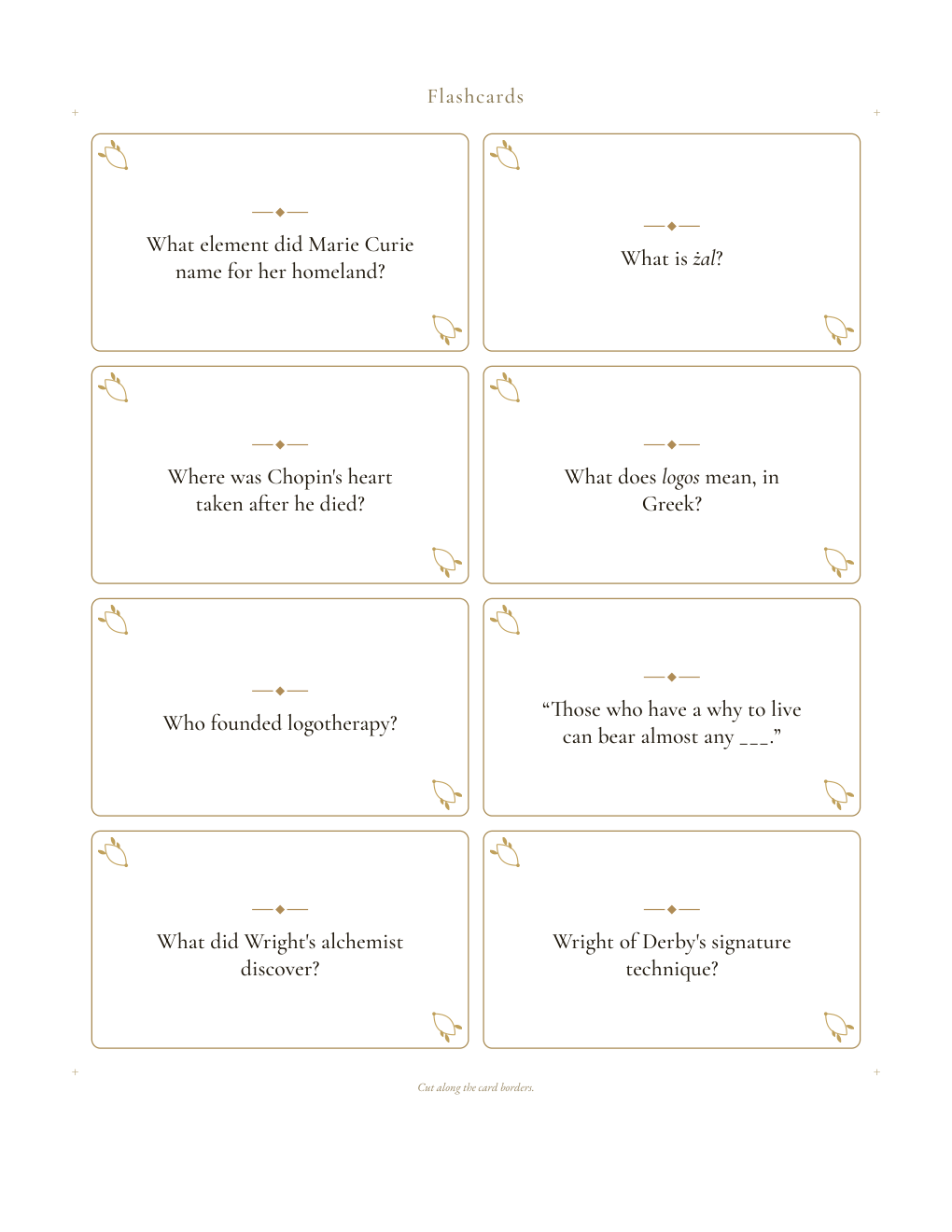
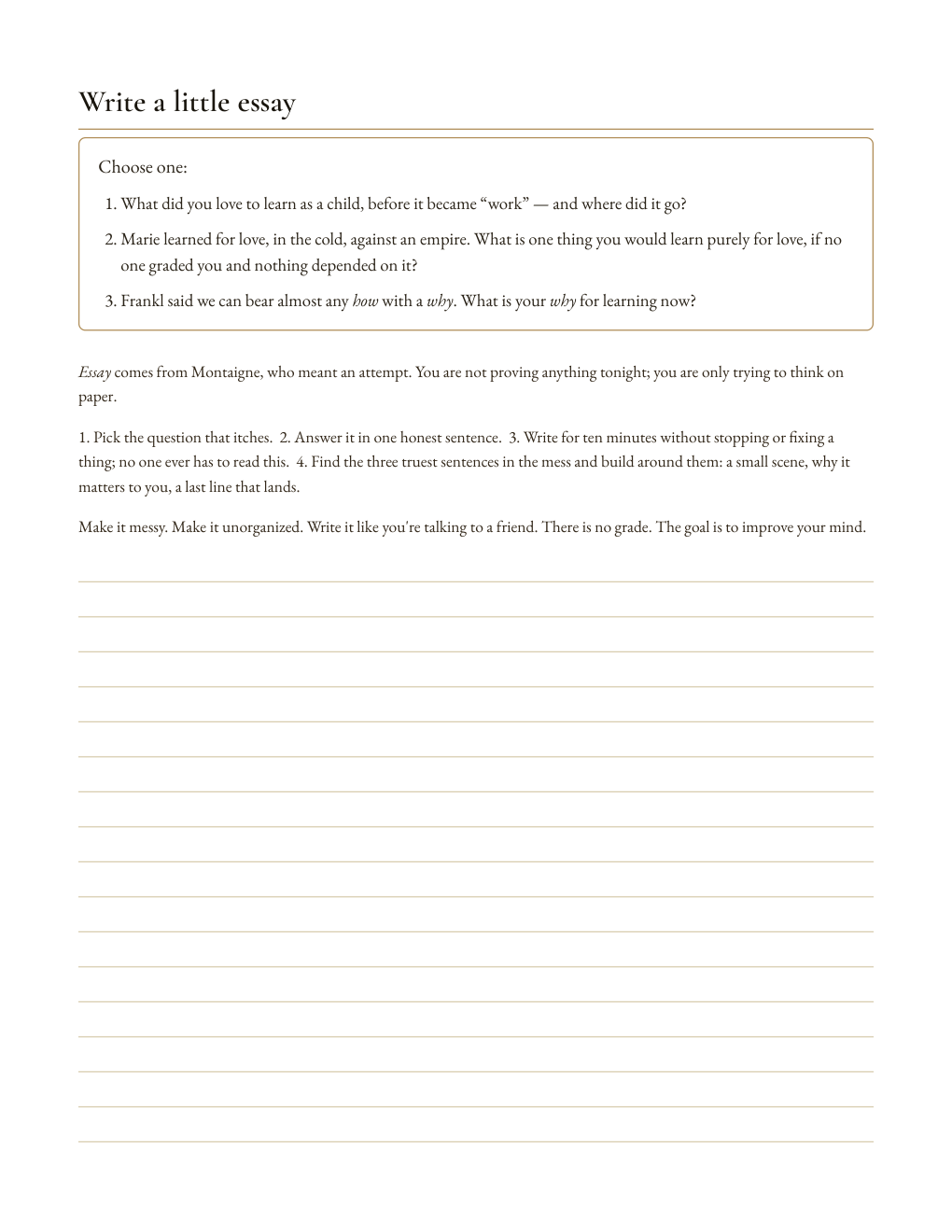
Keep the lamp lit
Every lesson here is free, and stays free, because patrons pay for the wax that keeps the candles lit. Become a patron or founder to download the printable kit and the Anki deck, and to be the reason the next reader finds all of this open and free.
The lamp stays lit because you fill it.
Your study kit
Yours because you keep the lamp lit. Print it, work it, keep it.
History: the ones who walked
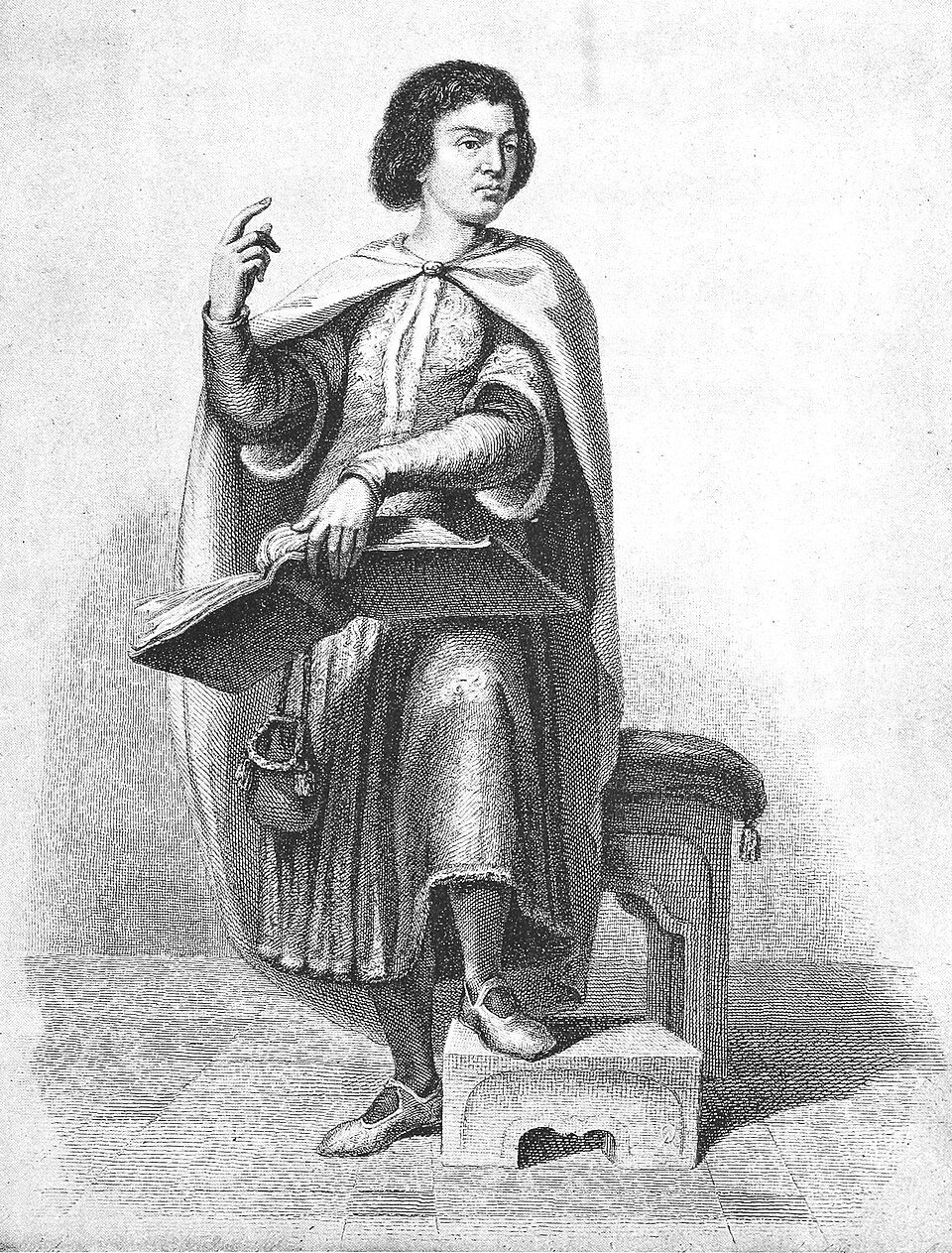
His name was Peter Abelard, and he was not alone on that road.
All over Europe, the young were walking. There were no campuses yet, no dormitories, no gates. A school was wherever a famous teacher stood, and so the students moved like starlings: to Bologna for law, to Salerno for medicine, to Paris for philosophy and God. They crossed mountains on foot, slept in barns and taverns, begged and sang for supper. Enrollment was a journey.
You did not apply.
You walked.
In Paris, Abelard found the most famous teacher of the age, William of Champeaux, and did the unforgivable: he out-argued him. In public. As a student. Doors closed against him after that, so he set up his own school just beyond them, finally on a hill outside the walls called Sainte-Geneviève, and then the students did the thing that made the future.
They walked out to him.
Hundreds, then thousands, from Brittany and Bavaria and Scotland, until the hillside filled with argument and the left bank of the Seine became one great open-air classroom. Paris did not have a university yet. It had Abelard: the crowd around a teacher slowly hardening into an institution, with rules and ranks and a name.

And the walking stayed in its bones.
A century later, in 1229, after city guards killed students in a tavern quarrel, the masters and scholars of Paris did not petition or plead. They packed up and left, all of them, for two years. The lectures stopped; the city's purse and pride bled; king and pope both scrambled to lure them back with privileges that universities keep to this day.
The threat worked because everyone knew it was real.
The university was never the buildings.
It was the teachers and the scholars.
Music: the songbook in the abbey
In 1803, in a Bavarian abbey called Benediktbeuern, a librarian sorting the shelves opened a battered manuscript from around 1230 and found something no one expected a monastery to keep: the students' songbook. Two hundred and fifty-four songs in Latin, the repertoire of the wandering scholars. Drinking songs. Love songs, some of them scandalous. Songs against stingy patrons, songs about spring, songs about losing your cloak at dice.

Scholars named the collection after the abbey: Carmina Burana, "Songs of Beuern." For seven centuries the rowdiest music of the Middle Ages had been sleeping in the quietest room in Bavaria.
Then, in 1936, a German composer named Carl Orff set two dozen of them for a huge choir and orchestra, and gave the opening to a song about Fortune's wheel.
Now the track we saved. Put on O Fortuna, loud as the household allows.
You know it. You have always known it: it is the sound movie trailers reach for when the world is about to end. That thundering Latin chorus is not ancient liturgy and it is not Hollywood. It is student poetry, eight hundred years old, complaining that luck is rigged.
You have been listening to the wandering scholars your whole life.
The wheel they sang about was the era's favorite picture of fate: Fortune turns it, and the king rides down while the beggar rides up. The students loved it because they lived on it, poor and hopeful and one patron away from either fate, and they set their whole precarious life to music.
Literature: the Archpoet
The best of the singing scholars has no name. We call him what his friends called him: the Archpoet. He drifted through the 1160s in the train of a great archbishop's court, chronically broke, chronically brilliant, writing poems that beg for money so beautifully the begging becomes art.
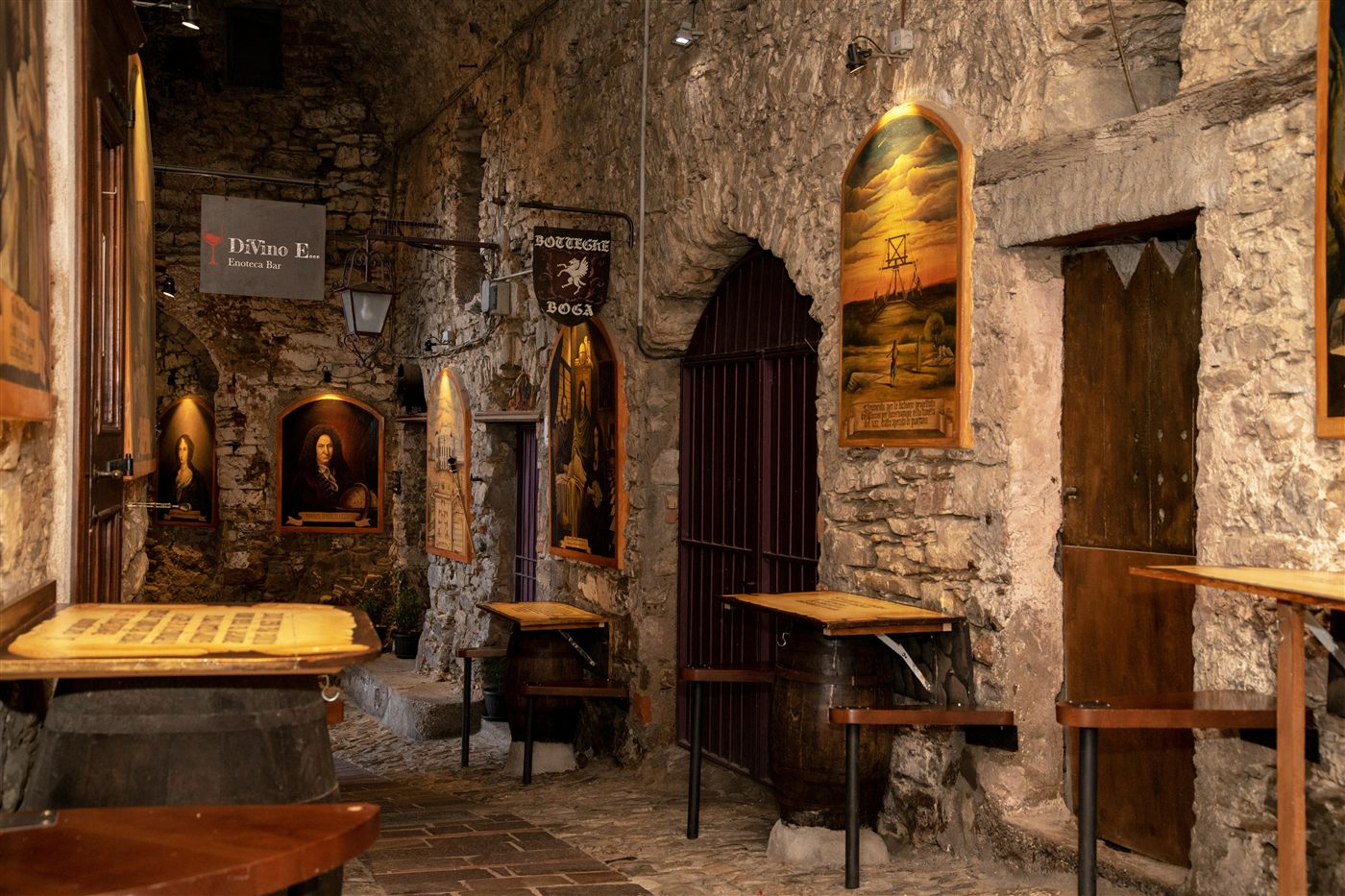
His masterpiece is a confession. In it he admits to everything, wine and dice and love and all, in flawless galloping Latin, and dares the church to be shocked. One stanza became the anthem of every student generation since:
Meum est propositum in taberna mori,
ut sint vina proxima morientis ori.
My plan is to die in a tavern,
with the wine close to my dying mouth.
Read it aloud, the Latin too; you can hear the tavern table being pounded in the meter. The whole poem keeps its promise to the last stanza.
And notice the trick under the swagger: only a deeply learned man could sin in verse this polished. The joke of the goliards is that the same Latin that sang the Mass could sing the tavern, and they knew both by heart. This is what the crowds walking to Paris sounded like at night, young and broke and drunk on books first, everything else second.
Philosophy: Sic et Non
What did they walk for, exactly?
Not answers.
The most famous book Abelard ever compiled contains none at all.
He called it Sic et Non: Yes and No. One hundred and fifty-eight questions, and beneath each one he stacked the authorities against each other, saints contradicting saints, council contradicting council, left standing there unresolved, on purpose, like an argument frozen at its best moment.
The reader has to think their way out.
The prologue explains why, in the line worth copying into your commonplace book tonight:
"By doubting we come to inquiry; by inquiring we arrive at the truth."
Remember that he had traded a knight's life for this. He fought the way his father fought, but with questions for weapons; he called his classroom battles disputations, and students crossed Europe to watch them the way crowds gathered at tournaments.
That is the secret of why they walked to him.
He did not hand down conclusions.
He taught doubting, out loud, as a sport.
Art: a lecture, 1350s
Take your time with this one before you read on. Where does your eye go first? Find the front row. Now find the back.
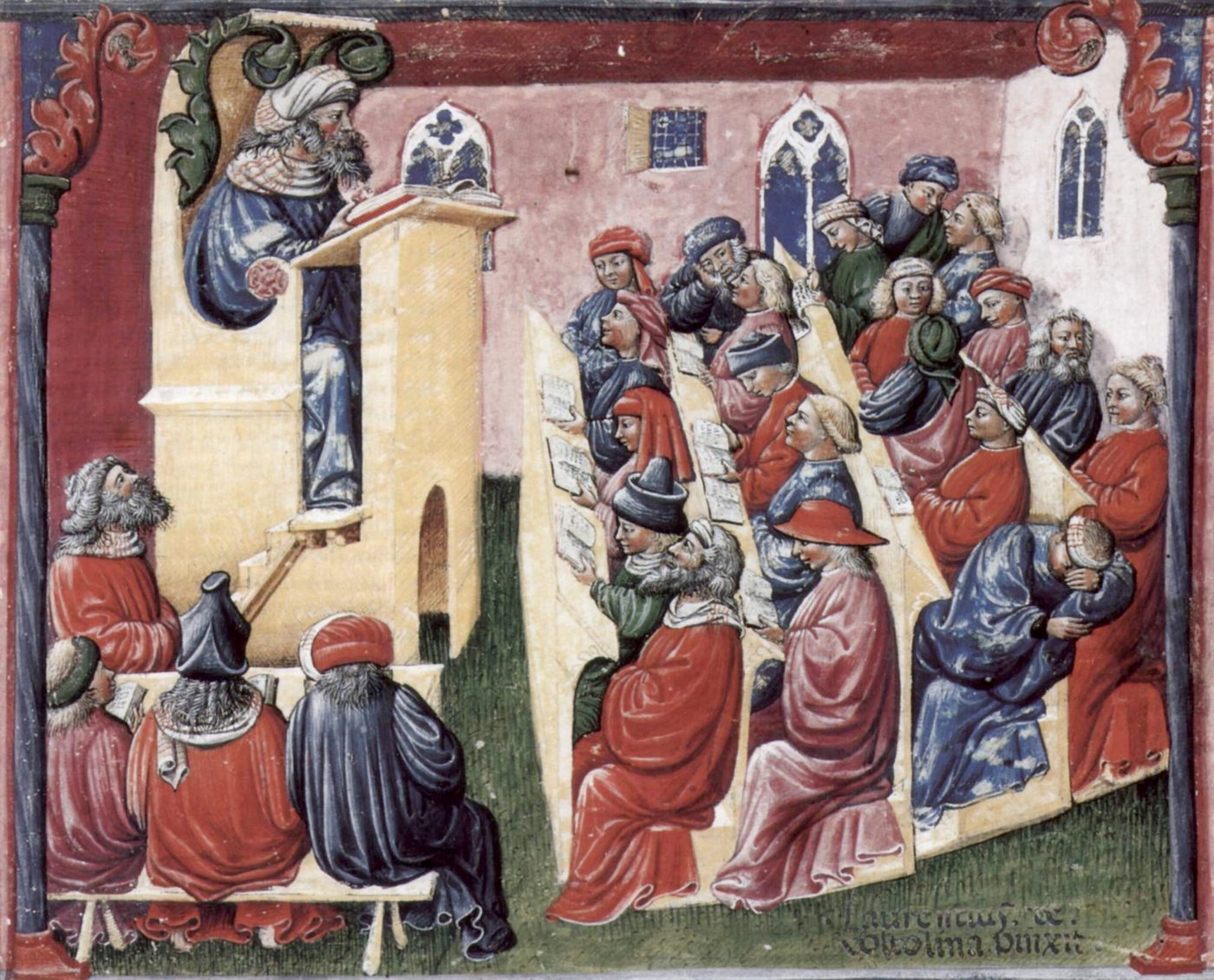
Two hundred years after Abelard's hillside, the crowd has moved indoors. This is a lecture at Bologna, painted in the 1350s: the master at his desk, the benches ranked in rows, the front row leaning in with their books open.
And the back row. Two students whispering. One checking the door. And at the right edge, a young man fast asleep on his hand.
Nothing about this room needs explaining to you. You have sat in it. Seven hundred years of chalk and syllabus lie between you and that sleeping student, and not one thing about the back row has changed. Whoever commissioned this page thought an ordinary classroom was worth painting in gold leaf, the way other pages honored saints.
For the people who had walked across Europe to sit on those benches, it was.
Language: five small things to keep
The neighborhood around Abelard's hill is still called the Latin Quarter, because for eight hundred years those streets sounded like his classroom. Latin made the whole migration possible: a Breton could teach Bavarians and Scots in the same room, and a student from anywhere could argue in every school on the map. One shared tongue, and Europe became walkable.
Five of their words, still warm:
Universitas. (oo-nee-VAIR-see-tahs.) Not a place: a guild. The word meant a sworn association of people, like the bakers' or the masons', and the scholars used it for themselves: the guild of masters and students. The buildings came later. The word never changed its mind about what a university is.
Trivium. (TRIH-vee-um.) "The three roads": grammar, logic, rhetoric, the three subjects every student walked first. Because everyone had to know them, they became common knowledge, and common became "trivial." Inside our word for what hardly matters hides everything that once mattered first.
Bachelor. (BATCH-el-er.) From baccalarius, the junior man, the apprentice not yet a master. It meant a young knight in training before it meant a young scholar, which would have amused Abelard, who was both and chose. It is still printed on the diploma.
Alma mater. (AHL-mah MAH-ter.) "Nourishing mother." What the walkers called the school that took them in and fed them. A homesick phrase, when you hear it plainly, from young people a very long way from home.
Goliard. (GOHL-yard.) The singing scholars' name for their own loose order, claimed from Goliath: the giant, scripture's great outsider, adopted as a patron saint by learning's outlaws. They invented a whole fake brotherhood under his name, with tavern rules. The joke was the point.
History: Abelard and Heloise
By now you have met him in pieces: the boy who gave away the sword, the teacher on the hill, the doubter with his hundred and fifty-eight questions. The rest of the story hurts.
In Paris, around 1115, at the height of his fame, Abelard met Heloise. She was the niece of a cathedral canon and already a legend herself, a woman known across France for her learning in an age that permitted women almost none: Latin certainly, Greek and Hebrew by reputation. He arranged to become her tutor, and later admitted in writing that the lessons were a courtship from the first hour.
They fell in love. They had a son, and named him Astrolabe, after the newest scientific instrument of the age, which tells you everything about the two of them. They married in secret to calm her family; the secrecy insulted her uncle instead, and one night he sent hired men into Abelard's rooms, and they castrated him.
He fled into a monastery. He insisted Heloise take the veil first, and she did, obedient and furious, a nun without a vocation for the rest of her life. She rose to run her own abbey. He kept teaching, and kept doubting in public; the church condemned his books twice, and at Soissons they made him burn one with his own hand.
Years later she read his memoir of the whole calamity and wrote to him, and the letters between them are the fiercest Latin of the century. She would not pretend, not even to God, that she regretted him: she wrote that she would rather be called his mistress than empress of Rome. He answered as the monk he had become; she kept asking for the man. Scholars have argued for nine hundred years about who won that correspondence.
Read them and you will not doubt it was her.
He died in 1142, in the care of an abbot kind enough to send the body to Heloise, with a letter saying Abelard was hers again. Twenty-two years later she was buried beside him. Their tomb stands now in Père Lachaise cemetery in Paris, under a stone canopy.
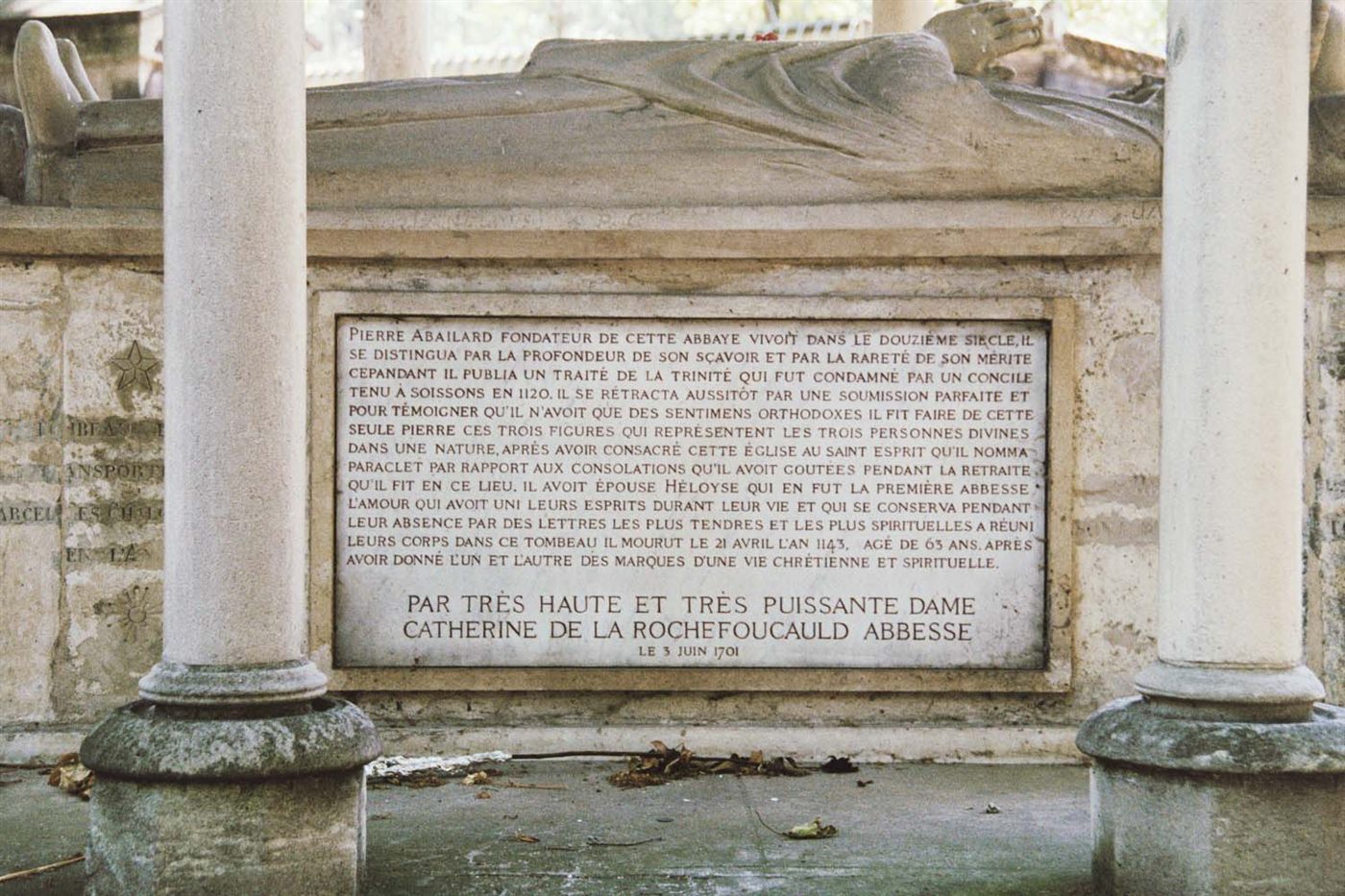
This is the part I love: people still leave letters there. Lovers mostly, students too, handwritten notes folded against the railing, to a teacher and a scholar dead for nearly nine centuries.
The boy who traded his sword for arguments became a destination.
People are walking to him still.
Remember what you've learned
For your brain health and the pure love of learning! Hopefully you understand one more thing tonight than you did this morning, and hopefully, you're curious about the next.
Before you blow out the candle, open your commonplace book and write down the things you don't want to lose. Do the crossword and essay today or another day. We retain things better if we quiz ourselves and handwrite things, and we think better if we write essays.
Make it fun!

Subscribe for more, and your commonplace book will begin to fill.
Come be curious with me.
Your fellow student,
K. Larkin
PS: Remember to mark this lesson complete for your progress to show.
A desk of your own, filling lesson by lesson
Your lantern, your shelf, your progress
What is in the kit
Keep the lamp lit
Every lesson here is free, and stays free, because patrons pay for the wax that keeps the candles lit. Become a patron or founder to download the printable kit and the Anki deck, and to be the reason the next reader finds all of this open and free.
The lamp stays lit because you fill it.
Your study kit
Yours because you keep the lamp lit. Print it, work it, keep it.